
What is a PEB Structure? The Simple 2026 Guide
Buildings Like LEGO: The PEB Concept
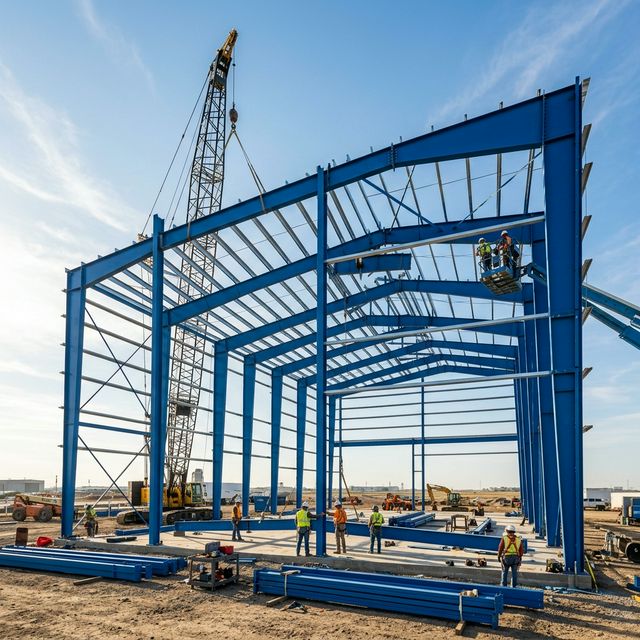
Imagine if you could design a massive factory on a computer, manufacture every single part in a high-tech factory, and then just "bolt" it all together on your site like a giant LEGO set. That is essentially what a Pre-Engineered Building (PEB) is.
In traditional construction, you bring raw materials (bricks, cement, loose steel) to the site and build from scratch. In PEB, the building is "engineered" and "manufactured" before it ever reaches your land. This shift in process makes building faster, cheaper, and much stronger.
The 4 Main Parts of a PEB
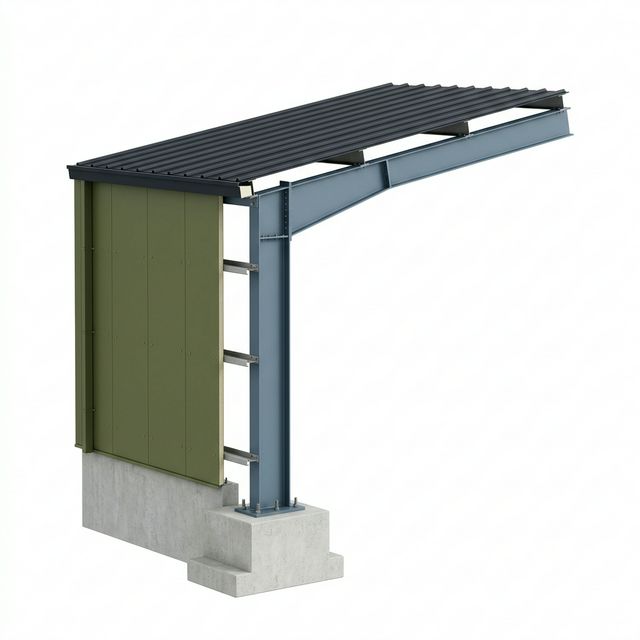
You don't need to be an engineer to understand how a PEB works. Think of it in four simple layers:
1. The Primary Frame (The Skeleton)
This is the main "bone" structure. It's made of large steel columns and roof beams that are custom-shaped to handle exactly the amount of weight needed—no more, no less. This "optimized" shape is why PEBs look so sleek compared to old, bulky steel sheds.
2. Secondary Members (The Support)
These are smaller steel beams (called Purlins and Girts) that run between the main frames. They act as the "ribs" that hold the walls and the roof in place.
3. Roof and Wall Sheeting (The Skin)
Once the skeleton is up, we cover it with high-strength metal sheets. These can be insulated (to keep the building cool) or simple colorful panels to make the building look modern and professional.
4. Accessories (The Finishing Touches)
Things like windows, rolling doors, ventilators, and sky-lights are all integrated into the design. Because everything is pre-cut, these parts fit perfectly every time.
Why is Everyone Switching to PEB?
If you walk through an industrial area in Delhi or Gurugram today, 9 out of 10 new buildings are PEB. Here is why:
- Lightning Speed: A warehouse that takes a year to build with bricks can be ready in 3-4 months with PEB.
- Lower Costs: Because the steel is "optimized" (thicker where it needs strength, thinner where it doesn't), you use less material and save money.
- No Leaks, No Rust: Since parts are made in a controlled factory, the quality of welding and coating is 10x better than site-work.
- Huge Open Spaces: PEB allows you to have a 100-foot wide room with **no columns** in the middle. Try doing that with concrete!
Real World Examples
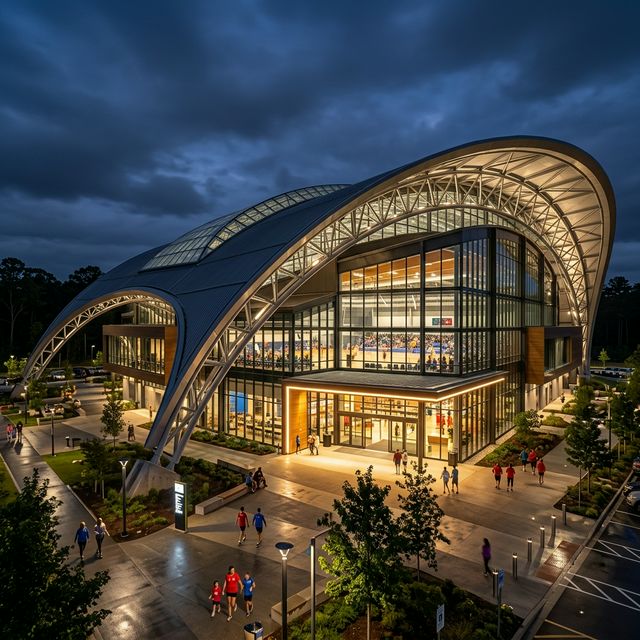
PEB isn't just for ugly grey boxes. Today, it's used for some of the most beautiful and high-tech buildings in India:
- E-commerce Hubs: Nearly all Amazon and Flipkart warehouses are PEB.
- Sports Stadiums: Large indoor stadiums use PEB to create that massive open "dome" feel.
- Showrooms: Car dealerships love PEB because they can have huge glass fronts and wide open floors for cars.
- Hospitals & Schools: When a building is needed "yesterday" (like during an emergency), PEB is the go-to solution.
Beginner FAQs
Is PEB as strong as concrete?
Yes, actually even stronger in some ways! PEB steel is more flexible, which makes it perform much better during earthquakes than rigid concrete structures.
Can I expand a PEB building later?
Absolutely. One of the best parts of PEB is that you can simply unbolt the end-wall and add more "LEGO" pieces to make it longer whenever you need more space.
The Future is Pre-Engineered
Whether you're looking to build a small workshop or a massive airport hangar, PEB structure is the most logical, scientific, and cost-effective way to build in 2026. At Vyomn Projeccts, we help you translate your "vision" into a perfectly built reality.
Talk to a PEB Expert